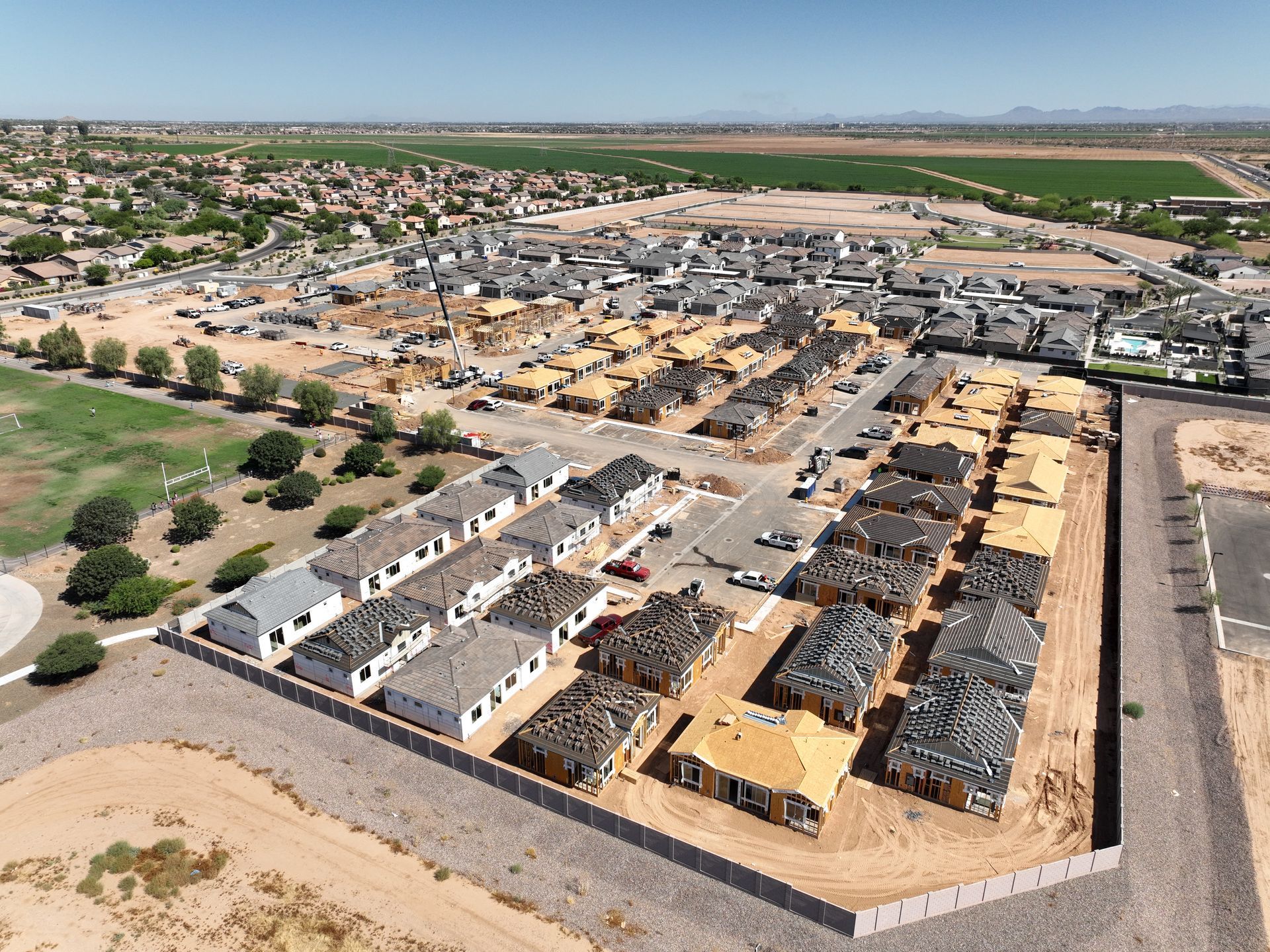
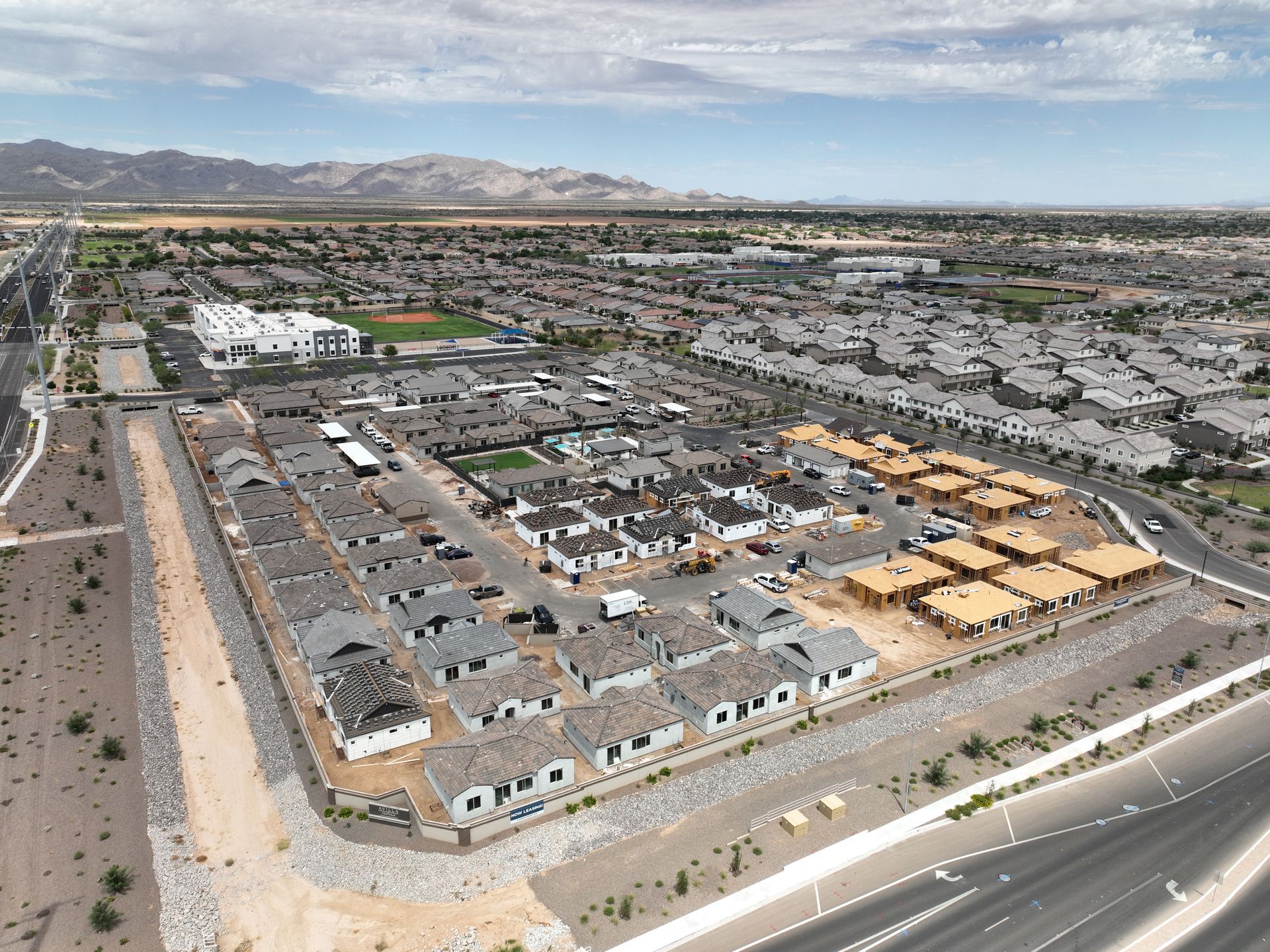
The BTR Pipeline Is Shrinking. Now Is the Time to Prepare the Next Project.
After several years of elevated Build-to-Rent deliveries, the development pipeline is beginning to contract.
That does not mean demand for rental housing has disappeared. It means the market is moving into a more selective phase—one in which projects with the right market, product, basis, capital structure, and construction strategy will be better positioned to move forward.
For developers, the current reset is not a reason to pause planning. It is an opportunity to make projects more executable.
The Pipeline Is Moving Lower
The BTR sector entered 2026 following record or near-record deliveries in many markets. That new inventory created pressure on occupancy, rents, and concessions, particularly in Sun Belt metros where multiple communities reached lease-up at the same time.
The future pipeline, however, looks different.
National BTR units under construction have declined substantially from their 2024 peak. Multifamily construction has also slowed as fewer projects have overcome the combined challenges of financing costs, construction pricing, underwriting requirements, and market-specific supply concerns.
That contraction matters because projects delayed today can affect rental housing availability several years from now.
A BTR or multifamily community does not move directly from an investment decision to completed homes. Entitlements, design, permitting, pricing, financing, procurement, site development, vertical construction, turnover, and lease-up all require time.
By the time today’s lower construction pipeline becomes visible through fewer deliveries, developers that have already advanced their planning may be in the best position to respond.
Market Conditions Do Not Replace Project Discipline
There are reasons for measured optimism.
The Urban Land Institute’s Spring 2026 Real Estate Economic Forecast anticipates increasing commercial real estate transaction volume through 2028. Its consensus forecast also projects improving single-family rental returns and gradual rental-rate growth after a soft 2025.
Recent operating data has shown similar signs of stabilization. Recent operating data has shown relatively stable national BTR rents and modestly improved occupancy, although performance continues to vary by market and product type.
These indicators do not suggest that every project should move forward.
They reinforce the importance of advancing projects with disciplined assumptions, clear execution strategies, and defensible economics.
Capital will remain selective. Construction costs still matter. Rent growth assumptions must be defensible. Local supply needs to be understood at the submarket level. Product type, density, phasing, and amenity decisions must align with the intended renter.
Market momentum cannot compensate for weak coordination, unrealistic assumptions, or unresolved construction risk.
Preparation Creates Options
Developers may not control interest rates, capital allocation, or broader economic conditions. They can control scope, cost visibility, constructability, sequencing, and execution readiness.
That preparation can include:
- Reviewing plans for constructability and unnecessary complexity
- Validating current trade and material assumptions
- Aligning civil, architectural, structural, and MEP documents
- Evaluating product mix and repetitive-plan efficiency
- Establishing realistic phasing and turnover strategies
- Identifying long-lead materials and procurement risks
- Coordinating sitework with vertical construction
- Testing whether the construction schedule supports the leasing plan
- Developing pricing alternatives before they become urgent
These efforts help developers make clearer decisions, reduce avoidable risk, and maintain momentum through design, underwriting, and preconstruction.
When a project has already addressed major scope, cost, sequencing, and constructability questions, the development team can move more effectively through financing, equity, permitting, procurement, and construction decisions.
The Next Cycle Will Reward Execution
The BTR market is not returning to the environment of several years ago, when rapidly rising rents and readily available capital could help absorb inefficiencies.
The next phase is likely to be more disciplined.
Developers and capital partners will continue to scrutinize basis, schedule, contingency, product-market fit, and the experience of the project team. Builders will need to contribute more than a bid produced at the end of design.
They will need to help teams understand how the community can actually be built.
At Ryan Residential Contractors, we believe the best time to begin that conversation is before the project reaches the starting line.
The BTR pipeline may be shrinking, but the need for well-located, thoughtfully designed, efficiently built rental housing remains.
The projects that use this reset to improve execution may be the ones best positioned to move forward with confidence.
Planning a Build-to-Rent, multifamily, or residential community? Discuss your project today.